
New York, NY—-The Academy Awards have long been viewed as the pinnacle of achievement in Hollywood—but for Black actors and actresses, the journey to recognition has been anything but equal. From historic firsts to modern-day breakthroughs, the evolution of representation on Oscar night tells a broader story about how the film industry has changed—and where it still falls short.
The Trailblazers
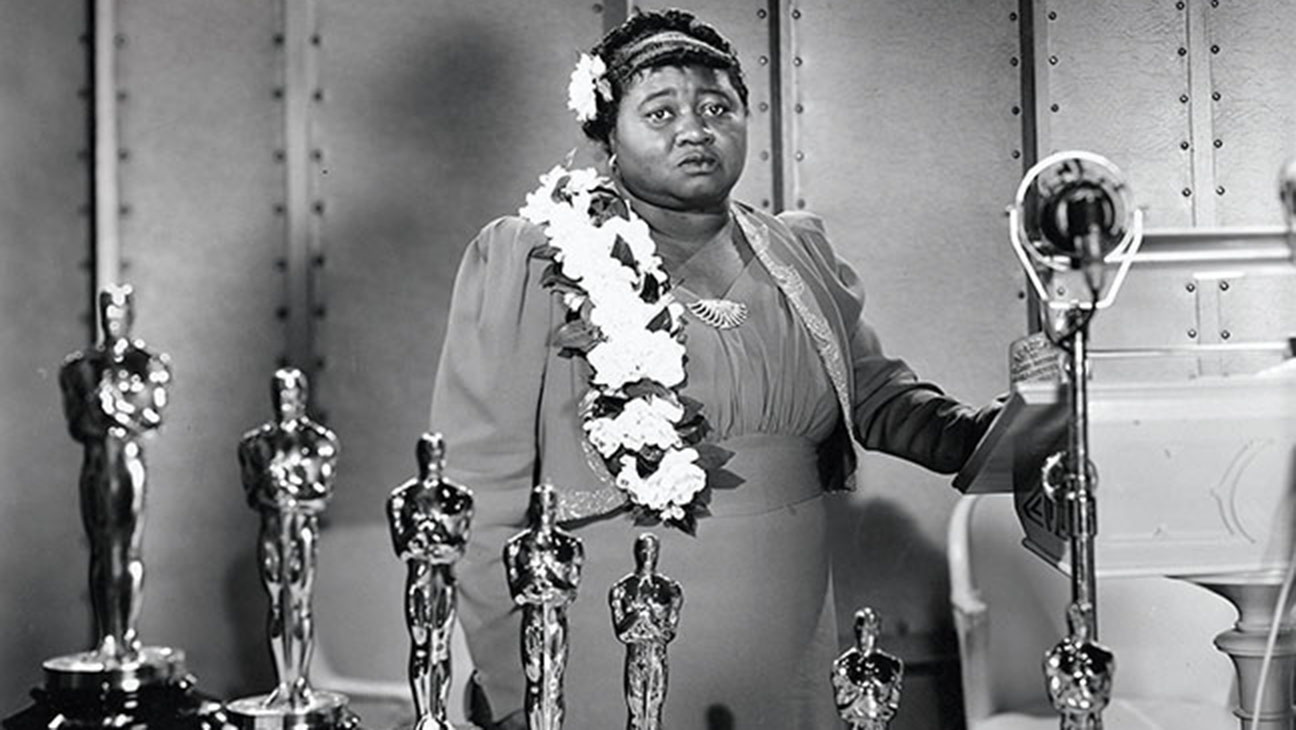
In 1940, Hattie McDaniel became the first Black person to win an Oscar, taking home Best Supporting Actress for her role in Gone with the Wind. While groundbreaking, her win came during segregation—she was even required to sit at a separate table during the ceremony. It was a moment of triumph overshadowed by the harsh realities of the era.
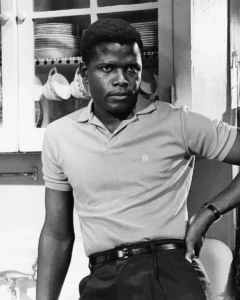
More than two decades later, Sidney Poitier made history as the first Black man to win Best Actor for Lilies of the Field. His victory in 1964 symbolized progress, but also highlighted how rare such recognition still was.
Breaking Barriers—Slowly
After Poitier’s win, it took years for another Black actor to win in a leading category. Progress came gradually:
- Denzel Washington won Best Supporting Actor for Glory and later Best Actor for Training Day.
- Halle Berry became the first—and still only—Black woman to win Best Actress for Monster’s Ball.
- Whoopi Goldberg earned Best Supporting Actress for Ghost.
- Cuba Gooding Jr. won Best Supporting Actor for Jerry Maguire.
These wins marked important milestones, but they remained sporadic rather than consistent.
A New Era of Recognition
In recent years, the Oscars have begun to reflect a broader range of Black excellence across categories:
- Lupita Nyong’o won for 12 Years a Slave.
- Mahershala Ali became the first Muslim actor to win an Oscar, earning two for Moonlight and Green Book.
- Viola Davis won for Fences, completing the “Triple Crown of Acting.”
- Regina King took home an Oscar for If Beale Street Could Talk.
- Jamie Foxx won Best Actor for Ray.
- Forest Whitaker earned Best Actor for The Last King of Scotland.
- Daniel Kaluuya won for Judas and the Black Messiah.
- Ariana DeBose made history as the first Afro-Latina and openly queer woman of color to win for West Side Story.
These victories reflect a shift toward more diverse storytelling and recognition, though not without continued pressure from audiences and advocacy movements like #OscarsSoWhite.
Has Hollywood Truly Changed?
Compared to the era of Hattie McDaniel and Sidney Poitier, Hollywood has undeniably evolved. Black actors now have greater access to leading roles, more complex characters, and increased visibility during awards season. Films centered on Black experiences—like Black Panther and Get Out—have achieved both critical and commercial success.

However, progress remains uneven. Halle Berry’s historic win still stands alone in the Best Actress category more than two decades later. Representation behind the camera—among directors, producers, and writers—also continues to lag.
The Oscars today look very different from the segregated ceremony Hattie McDaniel attended. Yet the legacy of pioneers like McDaniel and Poitier still looms large, serving as both a reminder of how far Hollywood has come and how much further it must go.
The Ongoing Story
The Academy Awards continue to evolve, shaped by cultural shifts and calls for inclusion. Each new winner adds to a legacy built on resilience and talent. For Black actors and actresses, every Oscar represents not just individual achievement, but another step toward equity in an industry still striving to fully reflect the diversity of its audience.