Owings Mills, Md. — The Baltimore Ravens wrapped up the 2026 NFL Draft on Saturday in Pittsburgh with a clear mission: reinforce protection for their quarterback, add playmakers on offense, and inject new energy into the defense.
Baltimore set the tone early by investing heavily in the offensive line with its first selection.
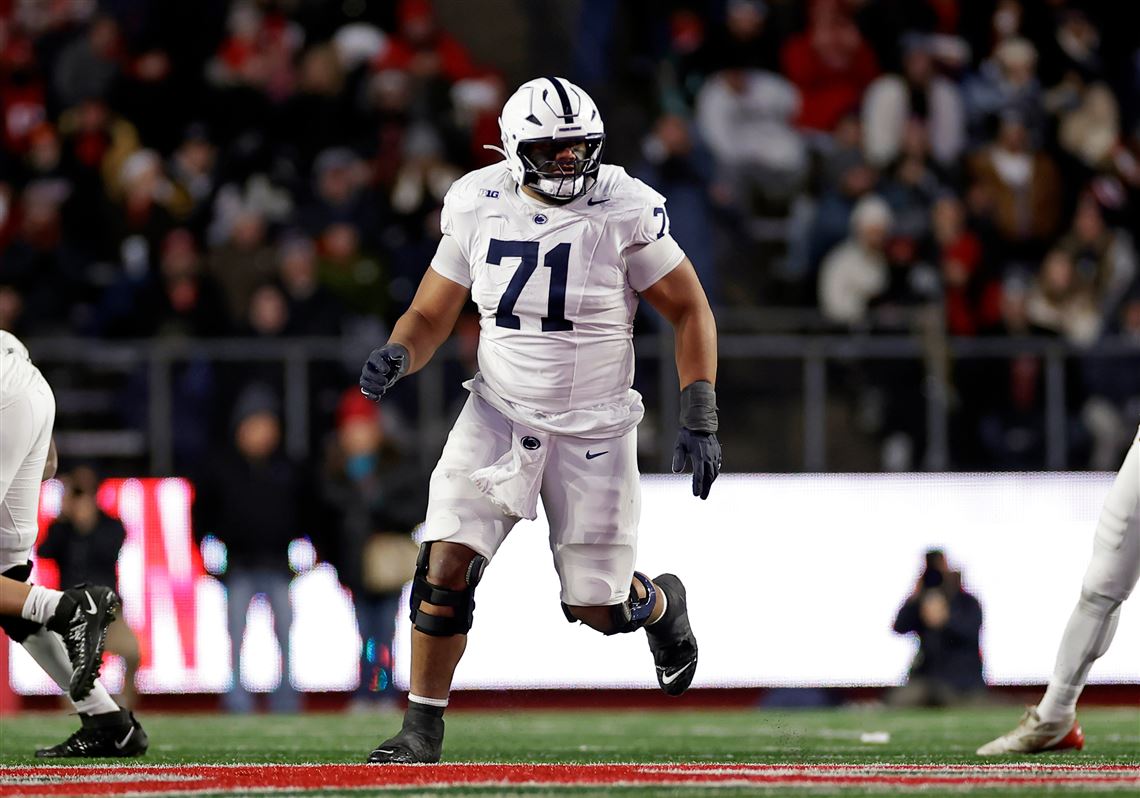
Round 1 (No. 14): Olaivavega Ioane, G, Penn State
The Ravens made a statement by selecting Ioane, widely viewed as the top interior lineman in the class. Protecting their quarterback was a top priority this offseason, and this pick reflects that urgency. Ioane is expected to step in immediately as a starter, providing a major upgrade at guard after inconsistent play at the position last season.
His track record in college shows steady improvement as a pass protector, and his physical style also strengthens the run game. Baltimore has a strong history of hitting on early first-round picks, and they’re counting on Ioane to continue that trend.
Round 2 (No. 45): Zion Young, OLB, Missouri
Baltimore’s first defensive selection brings size, power, and versatility off the edge. Young is capable of stopping the run and generating pressure, making him a strong fit in the Ravens’ system. With the team needing more disruption up front, he should find opportunities to contribute early in the rotation.
Round 3 (No. 80): Ja’Kobi Lane, WR, USC
The Ravens added a physically imposing receiver in Lane, giving the offense a much-needed target with size and reach. He excels in contested catch situations and could become a reliable red-zone option. While consistency has been an issue at times, his upside makes him a valuable addition to a receiving corps that needed more production.
Round 4 (No. 115): Elijah Sarratt, WR, Indiana
Baltimore doubled down at wide receiver, selecting another big-bodied target. Sarratt thrives near the goal line and has a reputation for coming down with difficult catches. Though not known for elite speed, his ability to get open and finish plays adds a different dimension to the passing attack.
Round 4 (No. 133): Matthew Hibner, TE, SMU
The Ravens traded up to secure Hibner, a versatile tight end who can line up in multiple spots. With departures at the position during free agency, adding depth here was essential. Hibner’s ability to contribute as both a receiver and blocker gives the offense added flexibility.
Round 5 (No. 162): Chandler Rivers, CB, Duke
Rivers brings quickness and playmaking ability to the secondary. Despite being undersized, he compensates with speed and instincts, making him a strong candidate for a slot corner role. Baltimore needed help defending the pass, and Rivers offers immediate competition in the defensive backfield.
Round 5 (No. 173): Josh Cuevas, TE, Alabama
Cuevas provides a different skill set at tight end, excelling as a blocker while also showing growth as a receiver. His reliability in protection could make him a useful piece in Baltimore’s run-heavy schemes.
Round 5 (No. 174): Adam Randall, RB, Clemson
A big, versatile back, Randall adds depth behind the team’s primary runners. His ability to contribute both on the ground and through the air makes him an intriguing option, though durability has been a concern throughout his college career.
Round 6 (No. 211): Ryan Eckley, P, Michigan State
Baltimore addressed special teams by selecting Eckley, a punter with a powerful leg. He becomes a leading candidate to take over the role after the team lost its previous starter in free agency.
Round 7 (No. 250): Rayshaun Benny, DT, Michigan
Benny adds depth to the defensive line and brings a reputation for consistency. His ability to finish tackles makes him a reliable option as the Ravens continue to build out their front.
Round 7 (No. 253): Evan Beerntsen, G, Northwestern
Closing out the draft, Baltimore returned to the offensive line. Beerntsen offers versatility along the interior and could eventually compete for time at center, a position of need following offseason changes.
Overall outlook
The Ravens approached this draft with a balanced strategy—prioritizing protection up front, adding size and versatility to the passing game, and reinforcing key defensive positions. With several players expected to contribute right away and others offering long-term upside, Baltimore’s 2026 class reflects a team focused on both immediate impact and sustained success.