Pittsburgh, PA— The 2026 NFL Draft wrapped up Saturday after three days in Pittsburgh, and the Steelers walked away with a class built around protecting the quarterback, adding offensive versatility, and strengthening the secondary and trenches.
Pittsburgh opened the draft by addressing a major long-term need up front.
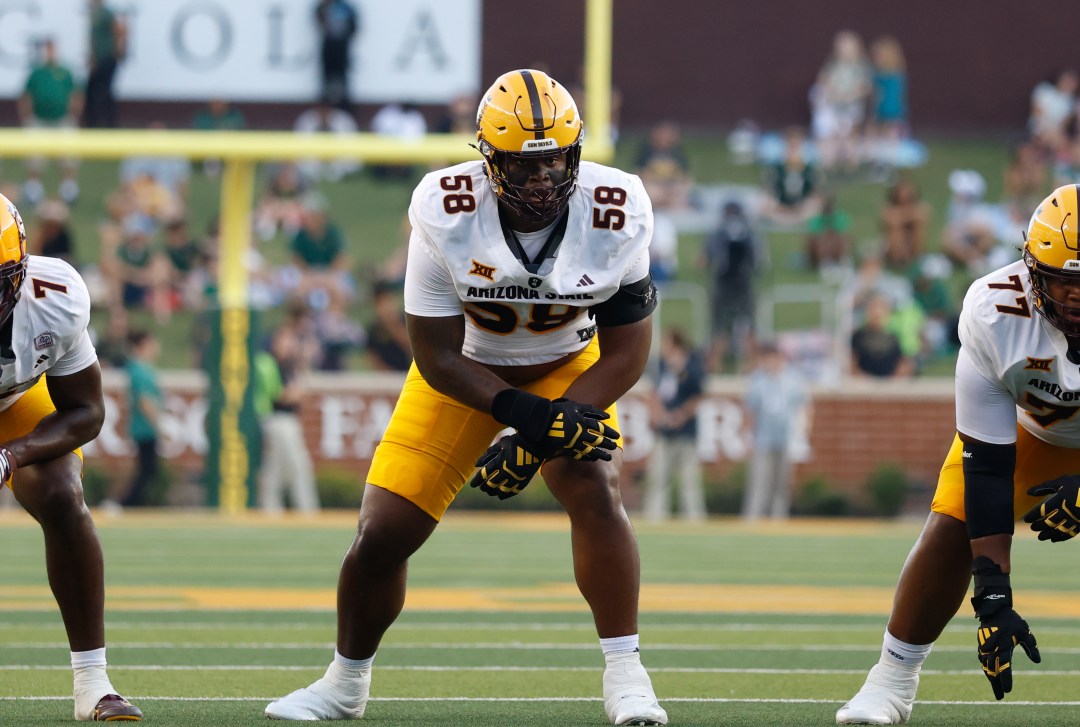
Round 1 (No. 21): Max Iheanachor, OT, Arizona State
The Steelers used their first-round pick on Iheanachor, a high-upside offensive tackle still developing as a refined pass protector. The selection came after Pittsburgh missed out on its preferred wide receiver target and quickly shifted focus to the offensive line.
Iheanachor brings elite physical traits and limited but rapidly improving experience after becoming a full-time starter in 2024. His development will be a key storyline moving forward, especially with Pittsburgh’s offensive future still in flux.
He is expected to compete for a starting role early, particularly given uncertainty along the offensive line and the importance of stabilizing protection in the AFC North.
Round 2 (No. 47): Germie Bernard, WR, Alabama
After narrowly missing a receiver target earlier in the draft process, Pittsburgh traded up to land Bernard, a versatile pass-catcher who can line up inside or outside.
Bernard offers reliability, route precision, and special teams value as a returner. He immediately boosts a receiver room that needed depth behind its top options and adds flexibility to the offensive scheme.
Round 3 (No. 76): Drew Allar, QB, Penn State
The Steelers added developmental insurance at quarterback with Allar, a physically imposing passer with ideal size and arm strength. While still raw as a prospect, his tools fit the mold of a long-term AFC North starter.
The selection signals Pittsburgh’s focus on preparing for the future while still navigating uncertainty at the position. Coaches believe his development will take time, but his physical profile made him worth the investment.
Round 3 (No. 85): Daylen Everette, CB, Georgia
Pittsburgh addressed its secondary by selecting Everette, a versatile defensive back capable of playing outside or inside in nickel packages.
His physical style and experience in press coverage make him a strong fit for the Steelers’ defensive identity. He also adds depth opposite Joey Porter Jr., an area of need entering the draft.
Round 3 (No. 96): Gennings Dunker, OL, Iowa
The Steelers continued rebuilding the offensive line with Dunker, a former tackle who is expected to transition inside to guard at the NFL level.
His toughness and versatility stood out to the coaching staff, and he is viewed as a developmental piece who could compete for snaps sooner rather than later.
Round 4 (No. 121): Kaden Wetjen, WR/RS, Iowa
Pittsburgh added one of the top return specialists in the country in Wetjen, who led FBS in punt return average and brings immediate special teams value.
With roster turnover at returner, Wetjen fills an important role and could contribute immediately in the kicking game while developing as a receiver.
Round 5 (No. 169): Riley Nowakowski, FB, Indiana
The Steelers added a physical, versatile blocker in Nowakowski, who is expected to fill a hybrid fullback role in Pittsburgh’s offense.
A strong lead blocker with experience lining up across multiple positions, he replaces a similar utility role lost in free agency and brings immediate value in run-heavy packages.
Round 6 (No. 210): Gabriel Rubio, DT, Notre Dame
Rubio brings size, length, and positional flexibility to the defensive line. Though he flew under the radar nationally, Pittsburgh values his ability to line up inside or outside and contribute in multiple fronts.
He also adds special teams potential, particularly in field goal blocking situations.
Round 7 (No. 224): Robert Spears-Jennings, S, Oklahoma
The Steelers closed their draft by adding depth in the secondary with Spears-Jennings, a physical safety with strong tackling ability and special teams upside.
While he may need time to develop into a defensive role, his athleticism and consistency as a tackler make him a candidate to contribute early on special teams.
Overall outlook
Pittsburgh’s 2026 draft class reflects a clear blueprint: rebuild the offensive line, add versatility at receiver and tight end, and strengthen depth across the defense. With multiple developmental prospects and several players expected to contribute immediately, the Steelers focused on balancing present needs with long-term roster building.