
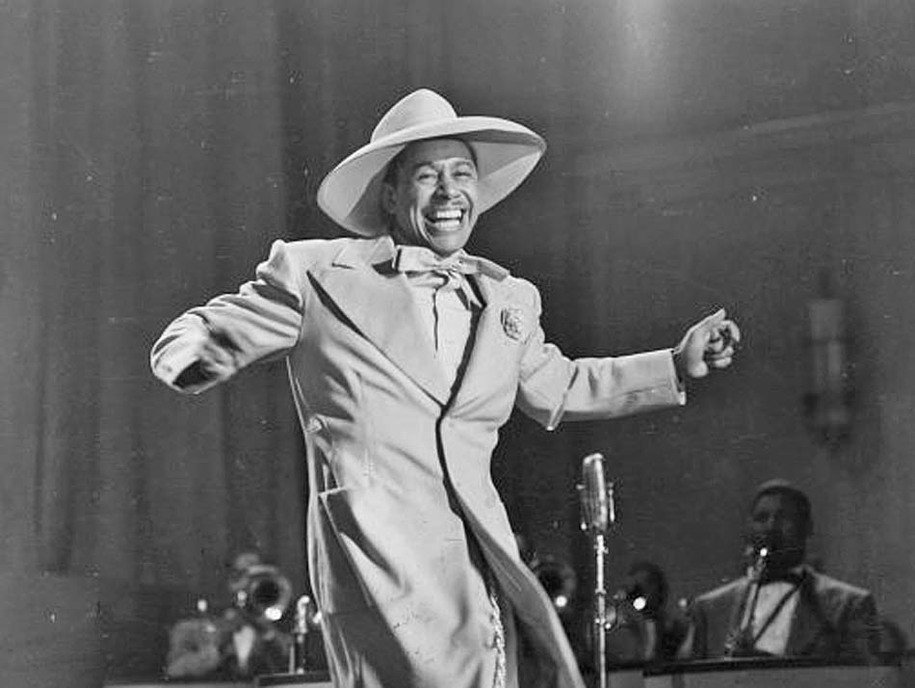
New York, NY—–In the early 20th century, Black musicians were reshaping American culture with jazz, blues, and swing. Their sound would come to define American music. Yet even as their artistry captivated audiences, racism and segregation closed many doors. Numerous white-owned venues refused to book Black performers or allow Black patrons to enter their establishments. Black artists were often forced to find opportunities within their own communities, building platforms where their voices could be heard.
Two of the most influential of those spaces were Harlem’s famed Cotton Club and the historic Apollo Theater. Though they served different audiences, both venues played pivotal roles in launching some of the most legendary careers in American music.
Fame Within a Segregated System
During the Harlem Renaissance, the Cotton Club became one of the most famous nightclubs in the country. Black musicians, singers, and dancers performed spectacular shows night after night, introducing audiences to innovative jazz orchestras and elaborate stage productions.
But the club also represented the contradictions of segregation. While Black performers dominated the stage, the audience inside was almost entirely white. Black patrons were largely excluded from attending. The success of the venue illustrated a painful reality of the era: Black culture could be celebrated and consumed, while Black people themselves were denied equal access and opportunity.
Even within those limits, the Cotton Club helped propel major artists to national fame. Musicians such as Duke Ellington and Cab Calloway became household names through radio broadcasts from the club, spreading the sounds of Harlem across America.
The Apollo: A Stage for Black Excellence
While the Cotton Club catered largely to white audiences, the Apollo Theater became a stage deeply rooted in the Black community. Opening its doors to Black audiences and performers in the 1930s, the Apollo quickly developed into one of the most important cultural institutions in American entertainment.
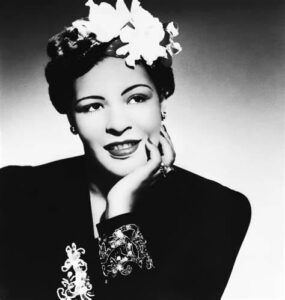
The theater’s famous Amateur Night launched the careers of numerous future stars, including Ella Fitzgerald, James Brown, Aretha Franklin, and Stevie Wonder.
For many artists, the Apollo was a proving ground where performers sharpened their craft before passionate audiences who expected excellence. It became a space where Black culture could thrive authentically at a time when segregation still dominated much of American life.
Billie Holiday and a Song That Exposed America
Music also became a powerful instrument for confronting injustice. One of the most courageous examples came from Billie Holiday and her haunting performance of the protest song Strange Fruit.
Released in 1939, the song delivered a stark and emotional protest against the lynching of Black Americans in the South. Its haunting lyrics described bodies hanging from trees—“strange fruit” swaying in the wind. The song forced audiences to confront the brutal reality of racial violence that many preferred to ignore.
Holiday’s decision to perform the song was bold and risky. Some venues attempted to silence her, and powerful figures in the industry reportedly tried to blacklist her for refusing to remove the song from her performances. Yet Holiday continued to sing it, using her voice to expose injustice.
Her defiance came at a personal cost. Near the end of her life, while hospitalized and gravely ill, federal agents arrested her on drug charges. According to widely reported historical accounts, Holiday was placed under police guard and even handcuffed to her hospital bed as she was dying. Many historians view the treatment she received as part of the broader pressure she faced throughout her career for challenging injustice through her music.

Exposing Discrimination and Remembering the Truth
The journeys of these artists reveal more than the history of American music—they reveal the systems of discrimination they had to overcome. Black performers were often celebrated for their talent while being denied equal rights, fair opportunities, and respect.
Through venues like the Cotton Club and the Apollo Theater, and through courageous voices like Billie Holiday, Black artists exposed the hypocrisy of a nation that praised their contributions while maintaining barriers rooted in racism.
Their courage forced America to confront uncomfortable truths.
As we reflect during Black History Month, it is important not only to celebrate these cultural pioneers but also to acknowledge the systems they had to fight against. Those systems shaped their experiences—and in many ways, the struggle to overcome them continues today.
Their legacy reminds us that history must be told honestly. Understanding the barriers they faced helps reveal how far society has come and how much work still remains.
The question that lingers is one that each generation must confront:
Has America truly changed its ways?
Recognizing the past, exposing discriminatory practices wherever they exist, and continuing the pursuit of justice are essential steps toward ensuring that the truth is never forgotten—and that the progress these artists fought for continues forward.