
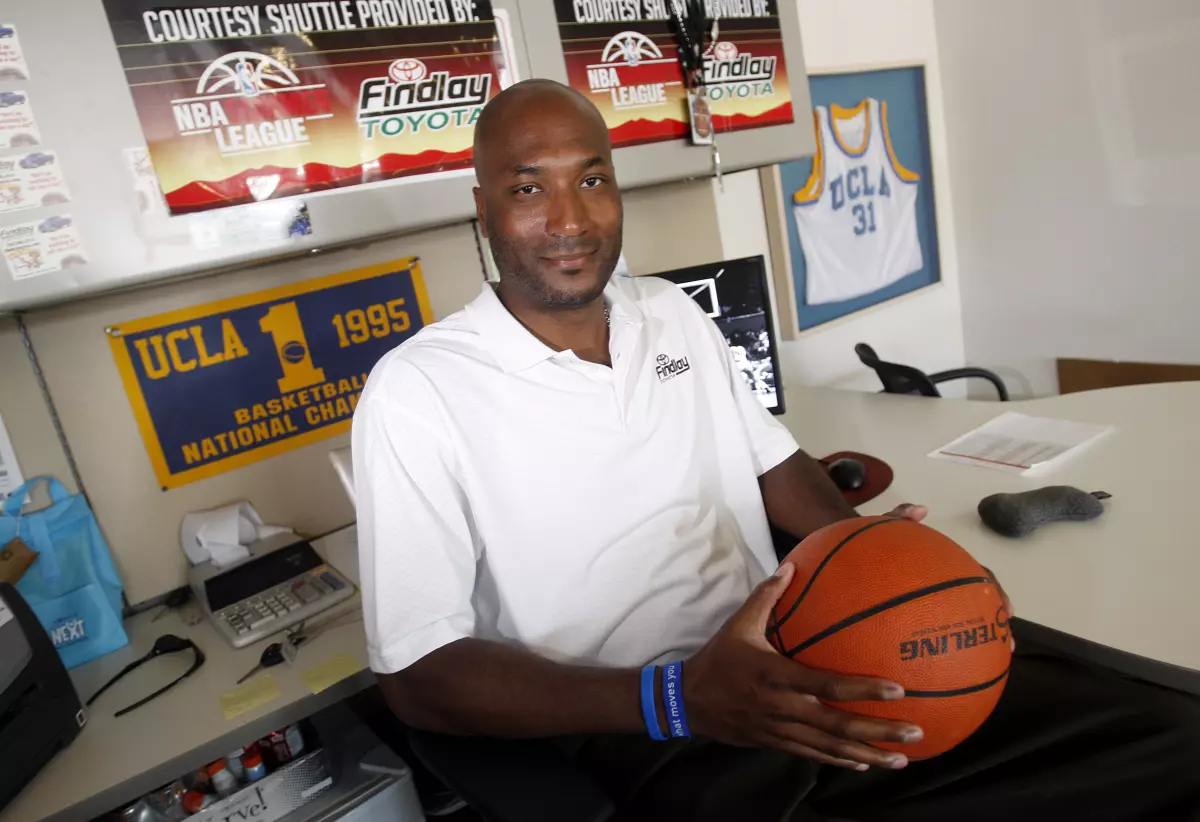
New York, NY—-Ed O’Bannon didn’t set out to revolutionize college sports—but his fight against the NCAA helped trigger one of the most significant shifts in its history. Today’s Name, Image, and Likeness (NIL) era, along with the rapid evolution of the transfer portal, can be traced back in large part to the legal battle he initiated more than a decade ago.
The O’Bannon Case and the Birth of NIL
In 2009, O’Bannon filed a lawsuit against the NCAA, challenging the organization’s use of former athletes’ likenesses in video games and broadcasts without compensation. The case, known as O’Bannon v. NCAA, argued that student-athletes should have a right to share in the revenue generated from their own identities.
While the final ruling in 2014 stopped short of granting full compensation rights, it cracked the foundation of the NCAA’s long-standing amateurism model. The decision opened the door for future legal challenges and public pressure, eventually leading to the NCAA’s adoption of NIL policies in 2021. For the first time, college athletes could legally profit from endorsements, sponsorships, and personal branding.
NIL’s Impact on Today’s Athletes and Programs
NIL has fundamentally reshaped college athletics. Student-athletes now have the ability to build their own brands, secure financial stability, and gain real-world business experience while still in school. For many, especially those in high-profile sports, NIL deals can be life-changing—covering living expenses, supporting families, and even setting up long-term financial opportunities.
Universities also benefit. Strong NIL collectives and opportunities can make programs more attractive to top recruits. Schools that embrace NIL infrastructure—through partnerships, education, and support—gain a competitive edge in recruiting and retention. In essence, NIL has become a new pillar of program building, alongside coaching, facilities, and tradition.
The Transfer Portal Connection
At the same time NIL has grown, the NCAA’s transfer portal has made player movement easier than ever. Athletes are no longer locked into programs; they can explore opportunities that better align with their athletic, academic, and financial goals.
The intersection of NIL and the transfer portal has created a new dynamic: athletes can now evaluate schools not just on playing time or development, but also on NIL earning potential. This has introduced a level of free-market behavior into college sports that mirrors professional leagues.
The Risk of an Unregulated System
However, without clearer structure, this evolving system carries risks. If the transfer portal remains loosely regulated while NIL opportunities vary widely between programs, college athletics could face increasing instability. Frequent transfers, short-term commitments, and recruiting driven heavily by financial incentives may erode team continuity and competitive balance.
Programs with fewer resources may struggle to keep pace, widening the gap between top-tier schools and the rest. Coaches face constant roster turnover, making long-term development more difficult. For fans, the connection to teams and players can weaken when rosters change dramatically year to year.
Finding the Balance
The challenge moving forward is balance. NIL has brought long-overdue fairness to student-athletes, giving them a share in the value they create. But the transfer portal, combined with NIL, needs thoughtful guidelines to ensure sustainability.
If leaders in college athletics—including the NCAA, conferences, and universities—fail to address these issues, the unintended consequences could undermine the very structure that makes college sports unique. Stability, competitive integrity, and athlete development all depend on it.

Introduce Revenue Sharing Models
One long-term solution is acknowledging the reality: college sports generate massive revenue. Schools could:
Share a portion of revenue directly with athletes
Reduce reliance on outside NIL deals as the primary income source
Create more stability within programs
This approach is already being discussed at high levels and could fundamentally rebalance the system.
Multi-Year Commitment Incentives
Instead of forcing athletes to stay, programs can encourage stability:
NIL bonuses tied to staying multiple seasons
Academic incentives for degree completion
Development-based contracts that reward growth over time
This keeps choice in the athlete’s hands while rewarding continuity.
A Lasting Legacy
Ed O’Bannon’s legacy is no longer just about a lawsuit—it’s about transformation. His actions helped empower generations of student-athletes, reshaping the economics of college sports. Now, as NIL and the transfer portal continue to evolve, the next chapter will depend on how well the system adapts to the new reality he helped create.